

AQUATIC INVASIVE SPECIES
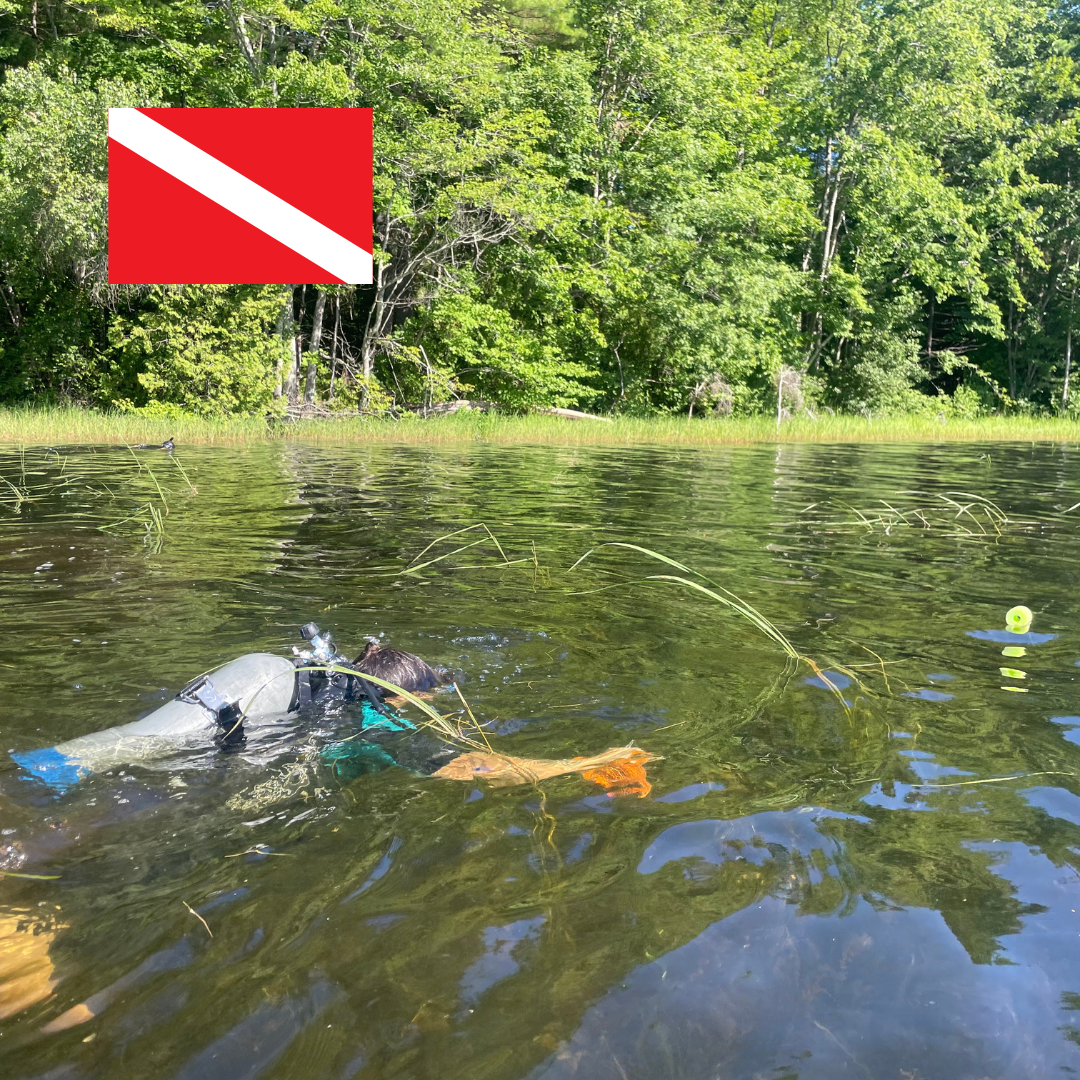
WF diver removing EWM
Watershed Friends provides various programs to effectively manage Aquatic Invasive Species (AIS) in our watershed and prevent their spread. Read on to learn more about current infestations and management, as well as learn about our three-step approach to AIS management.
Email caroline@watershedfriends.org with any questions.
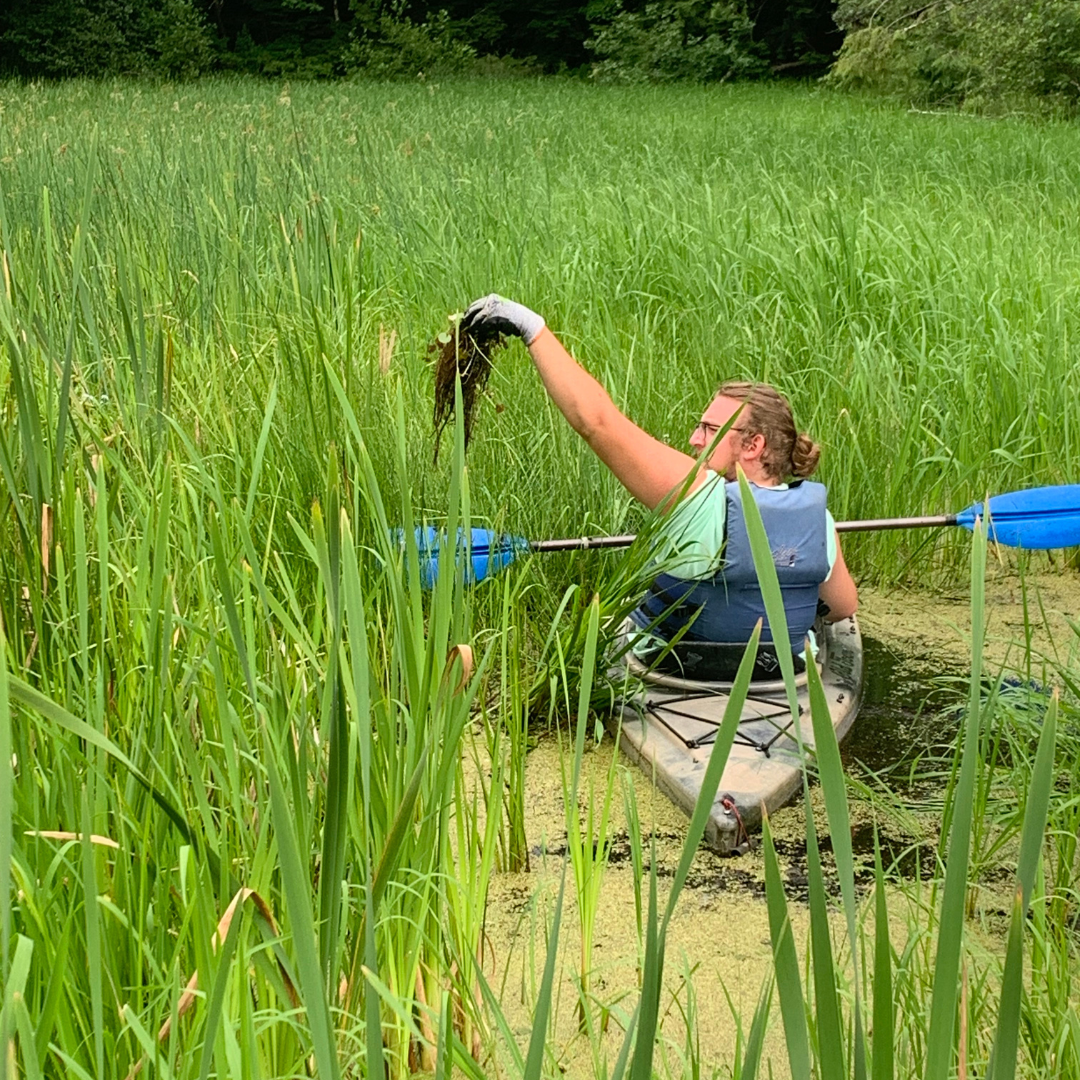
WF staff removing EFB
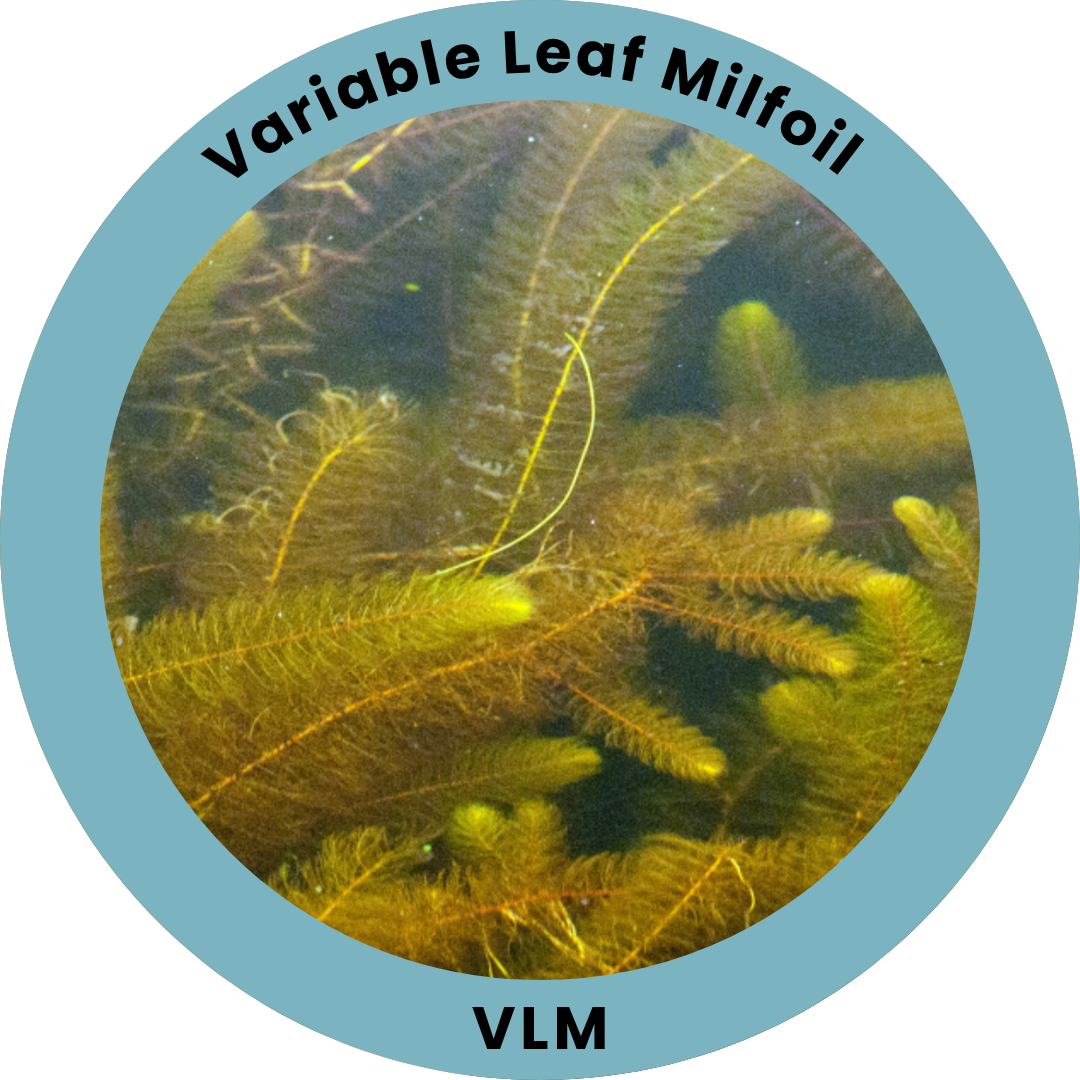

Found in:
Annabessacook Lake
Cobbosseecontee Lake
Cobbosseecontee Stream
Horseshoe Pond
Jug Stream
Pleasant Pond
Purgatory Stream
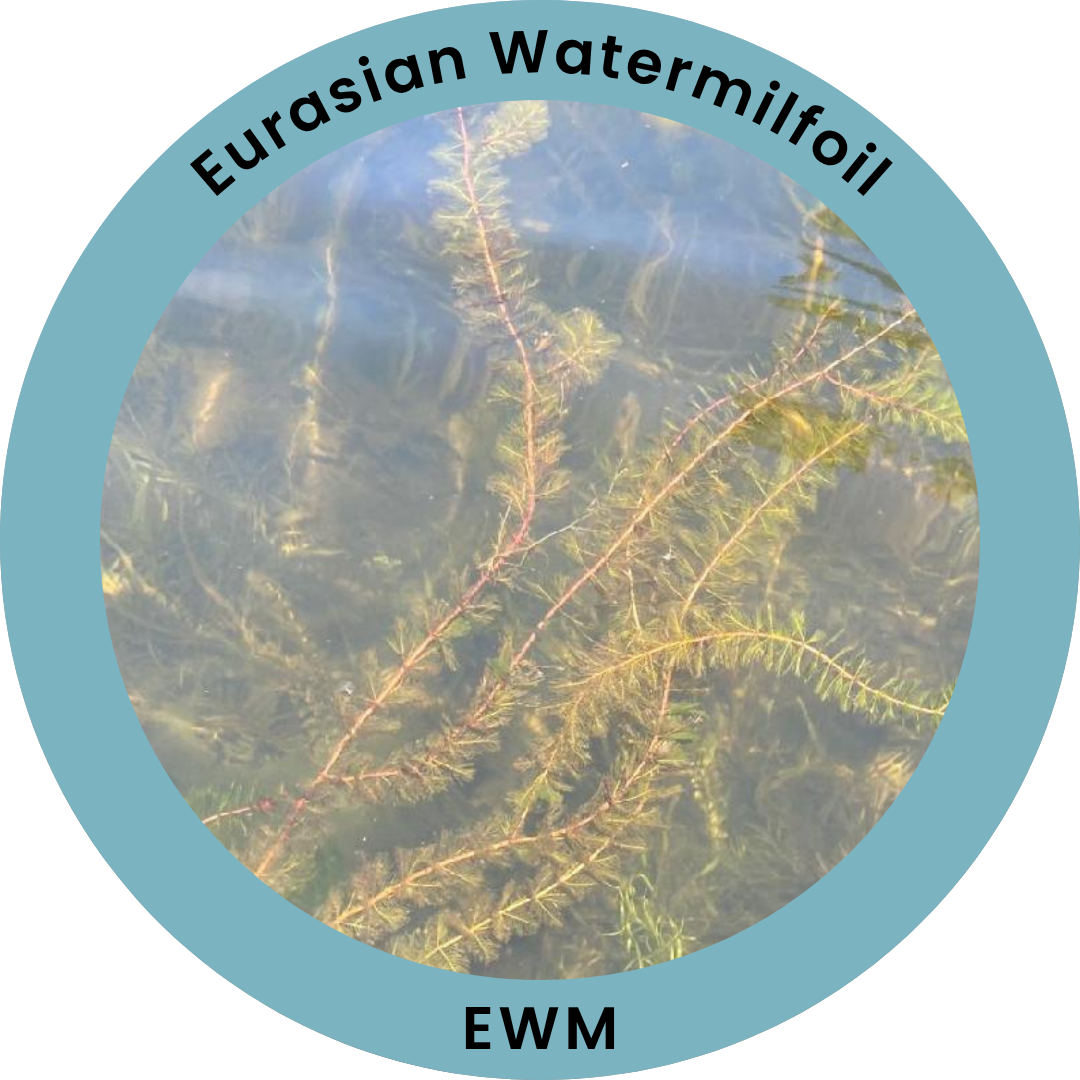
Found in:
Cobbosseecontee Lake
Cobbosseecontee Stream
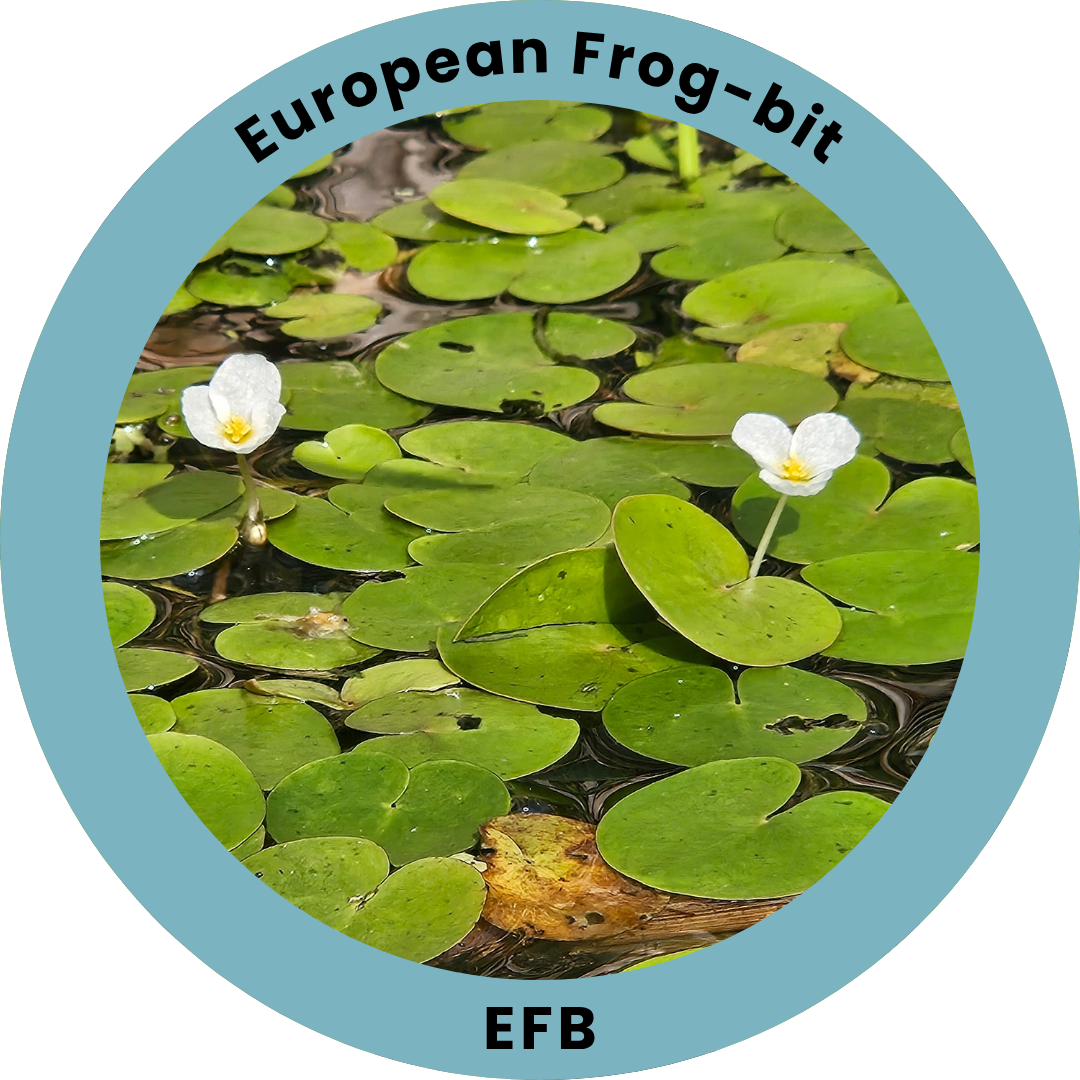
Found in:
Annabessacook Lake
Cobbosseecontee Lake
Cobbosseecontee Stream
Horseshoe Pond
Jug Stream
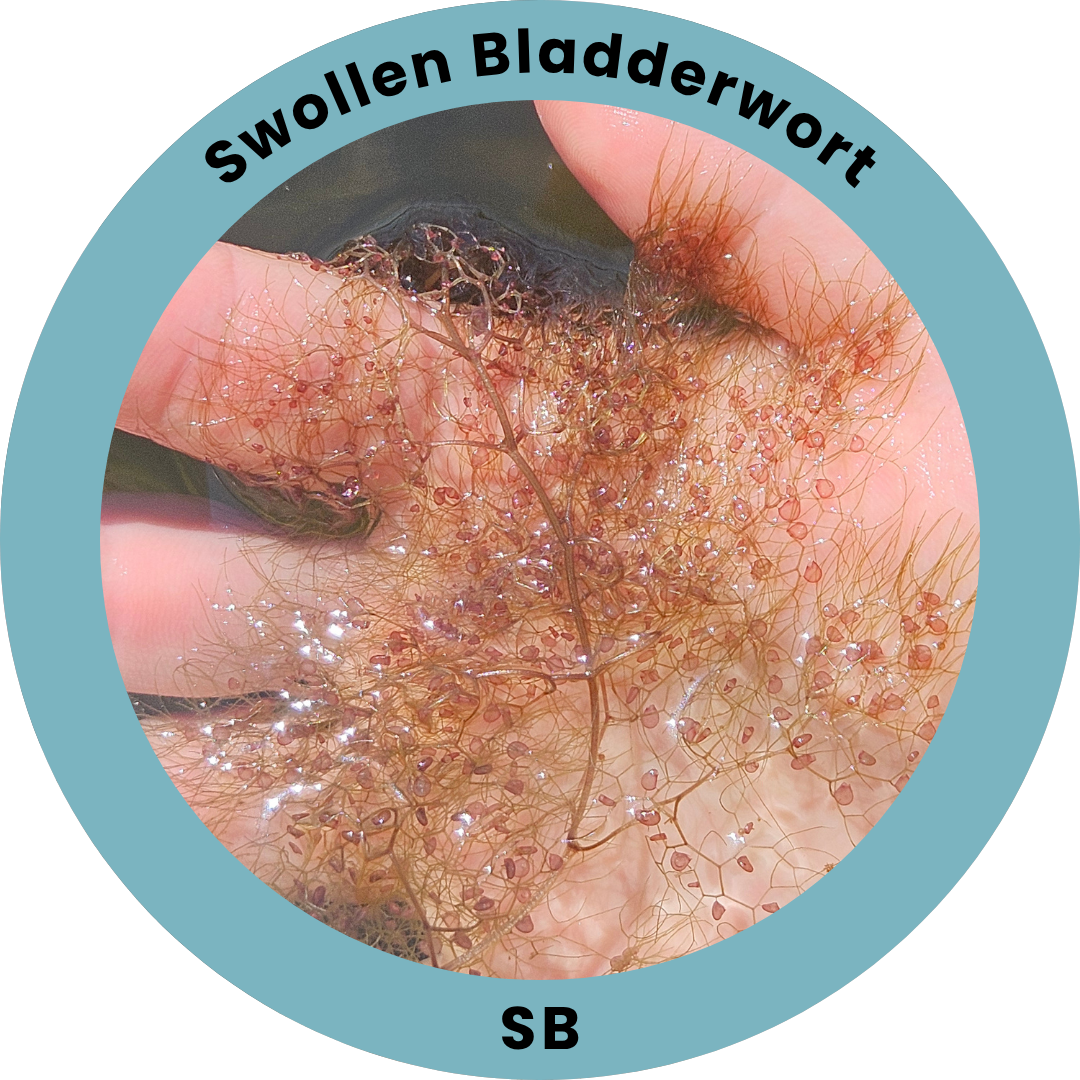
Found in:
Pleasant Pond
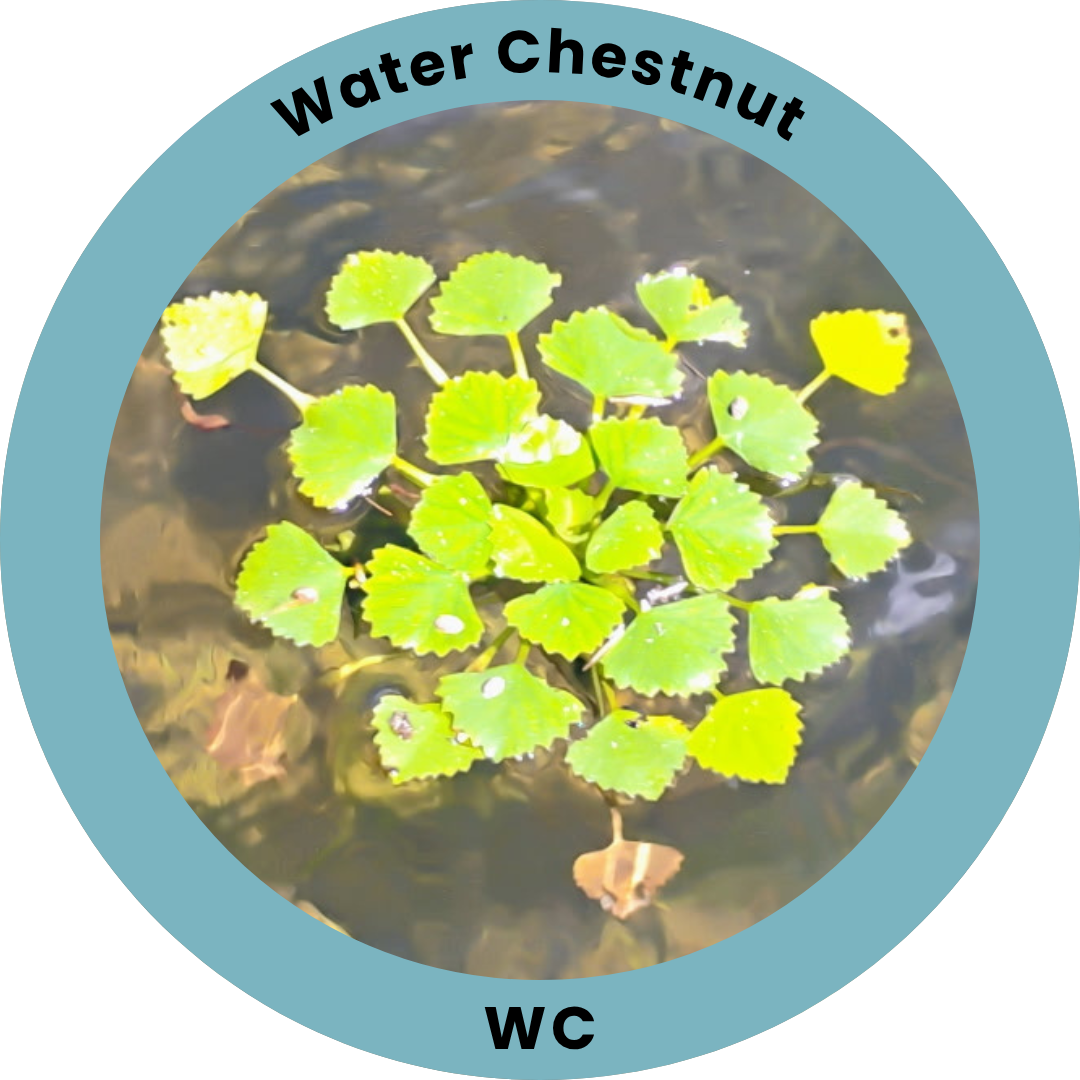
Found in:
Jug Stream
Learn more about the different Aquatic Invasive Species programs below.
Step 1
Prevention
Courtesy Boat Inspection
Trained Courtesy Boat Inspectors (CBIs) staff 10 public boat launches throughout the watershed, from Memorial Day Weekend through Labor Day Weekend. During inspections, CBIs share information with boaters on how to combat the spread of invasive aquatic species.
Step 2
Early Detection
Invasive Aquatic Plant Survey
Detection is imperative for the successful eradication of invasive aquatic plants. Trained surveyors search shallow water areas for signs of invasive plants. Data collected helps plan a management strategy.
Step 3
Removal
Invasive Aquatic Plant Control
Trained staff remove invasive aquatic plants by installing benthic barriers known as “milfoil mats”, and hand pull plants. A diver-assisted suction harvester (DASH) is used for larger infestations. Harvested plants are later incinerated.